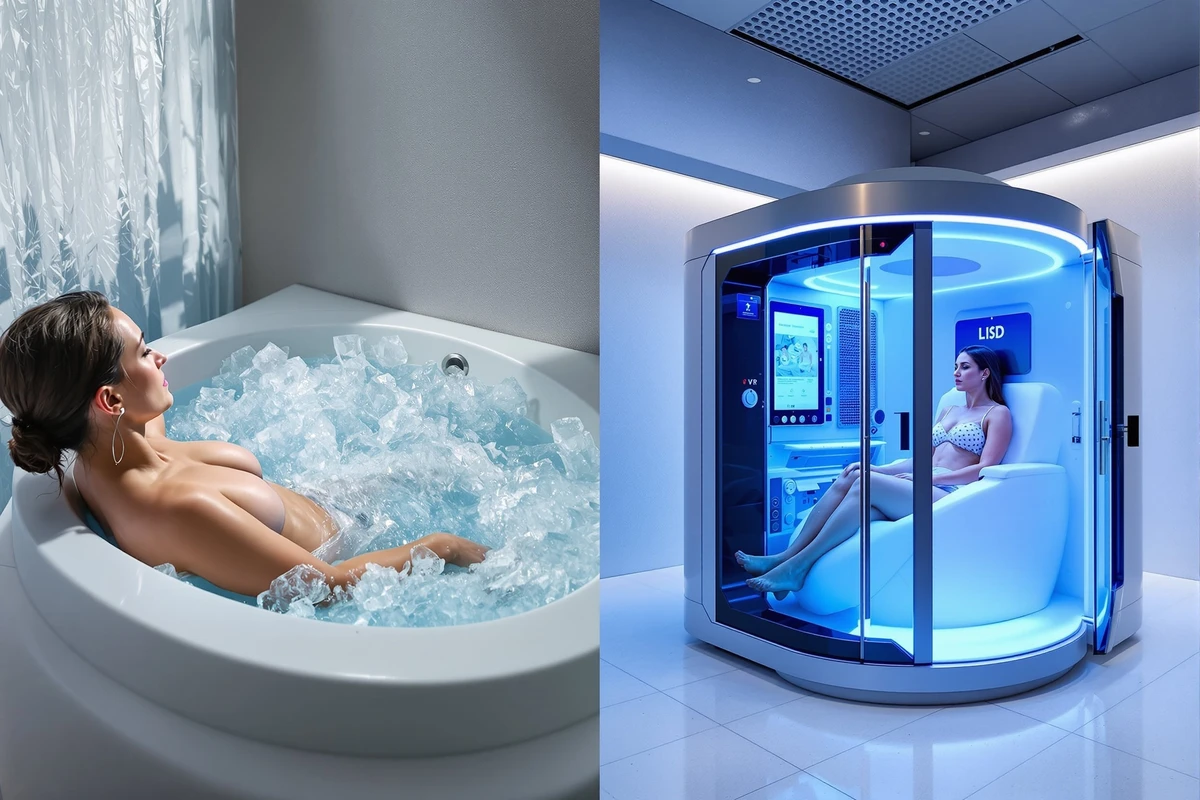
The debate between cryotherapy and ice baths has intensified as more professional athletes make the switch. LeBron James, Cristiano Ronaldo, Usain Bolt, and Floyd Mayweather all use whole body cryotherapy as their primary recovery tool. But is it actually better than the traditional ice bath? We break down the science, compare the benefits head-to-head, and help you decide which cold therapy is right for your recovery goals.
"I switched from ice baths to cryotherapy three years ago. My recovery time between training sessions dropped from 48 hours to 24, and I no longer dread the recovery process." — GTA-based competitive triathlete, Cryotherapy Toronto client
The Science: How Each Method Works
Whole Body Cryotherapy
In a cryosauna, your body is exposed to dry nitrogen vapor at -110°C to -195°C for 2–3 minutes. Your head remains above the chamber. The extreme cold triggers thermoregulatory vasoconstriction — blood vessels rapidly narrow, pushing blood toward your core where it becomes enriched with oxygen, enzymes, and nutrients. When you exit, vasodilation occurs: oxygen-rich blood floods back to your extremities, flushing out inflammatory markers (IL-6, TNF-α, C-reactive protein) and delivering healing nutrients.
Simultaneously, your brain releases a surge of endorphins and norepinephrine — up to 3x normal levels — providing natural pain relief and an energizing "high" that can last hours. Your nervous system shifts from sympathetic (stress) to parasympathetic (recovery) mode.
Ice Bath (Cold Water Immersion)
Ice baths involve submerging your body in water at 0°C to 5°C for 10–20 minutes. Water conducts heat 25x faster than air, which is why a 5°C ice bath feels more painful than -150°C dry air. The cold causes vasoconstriction and reduces local tissue metabolism, slowing inflammatory processes. However, the prolonged immersion and water contact create unique risks: cold shock response (dangerous spike in heart rate and blood pressure in the first 30 seconds), potential hypothermia, and increased post-session muscle stiffness from prolonged joint cooling.
Head-to-Head Comparison
| Factor | Cryotherapy ❄️ | Ice Bath 🧊 |
|---|---|---|
| Temperature | -110°C to -195°C | 0°C to 5°C |
| Duration | 2–3 minutes | 10–20 minutes |
| Medium | Dry nitrogen vapor (no water contact) | Ice water immersion |
| Comfort level | Tolerable (dry cold, head exposed) | Painful (full-body water contact) |
| Inflammation reduction | Significant (systemic) | Moderate (mainly surface-level) |
| Endorphin release | High (up to 3x baseline) | Moderate |
| DOMS reduction | Clinically significant after 1 session | Requires 15+ min immersion |
| Muscle stiffness after | Minimal (muscles stay supple) | Can increase joint stiffness |
| Risk of hypothermia | None (supervised, short duration) | Possible with extended immersion |
| Skin/tissue risk | Very low (dry cold, monitored) | Frostbite, ice burns possible |
| Time to return to activity | Immediate | 30–60 min warm-up needed |
| Professional supervision | Yes (at certified clinics) | Usually self-administered |
| Consistency of temperature | Precise digital control | Varies as ice melts |
| Convenience | Walk-in, no setup or cleanup | Requires ice, tub, 20+ min prep |
Why Athletes Are Making the Switch
Speed
A 2–3 minute cryotherapy session replaces a 15–20 minute ice bath. For professional athletes with tight training schedules, those saved minutes add up to hours each week.
No muscle stiffness
Ice baths can leave joints feeling stiff and muscles heavy due to prolonged cold water contact. Cryotherapy's dry cold preserves muscle elasticity, allowing athletes to return to training immediately.
Stronger endorphin response
The extreme temperature shock of cryotherapy produces a more powerful endorphin and norepinephrine release than ice baths, creating the "cryo high" athletes describe — elevated mood, energy, and mental clarity.
Consistency
Ice bath temperature varies as ice melts and water warms. Cryotherapy maintains precise, digitally controlled temperatures throughout the entire session.
Comfort and compliance
The single biggest advantage: athletes actually follow through with cryotherapy sessions. The short duration and tolerable dry cold create much better treatment compliance than dreading a 20-minute ice bath.
When Ice Baths Still Make Sense
We believe in honest comparisons. Ice baths still have their place in specific scenarios:
- Budget constraints: If cost is the primary factor and you have access to ice, an ice bath costs nearly nothing
- Lower body specific: For purely lower-body recovery (e.g., marathon runners), cold water immersion targets the legs effectively
- Remote locations: When you're training in a location without access to a cryotherapy facility
The Verdict
For the vast majority of athletes and active individuals, cryotherapy is the superior recovery method. It delivers equal or better anti-inflammatory and pain-relief benefits in a fraction of the time, with greater comfort, better safety, and higher treatment compliance. The investment in professional cryotherapy sessions pays for itself in faster recovery, fewer missed training days, and better long-term joint health.
Ready to Upgrade Your Recovery?
Experience why elite athletes choose cryotherapy. Try your first session at Toronto's most trusted cryotherapy centre — serving athletes and active individuals since 2013.