
From our archive: first published January 2015 and reviewed for this update on October 12, 2026. Wellness information only — see the medical disclaimer below.
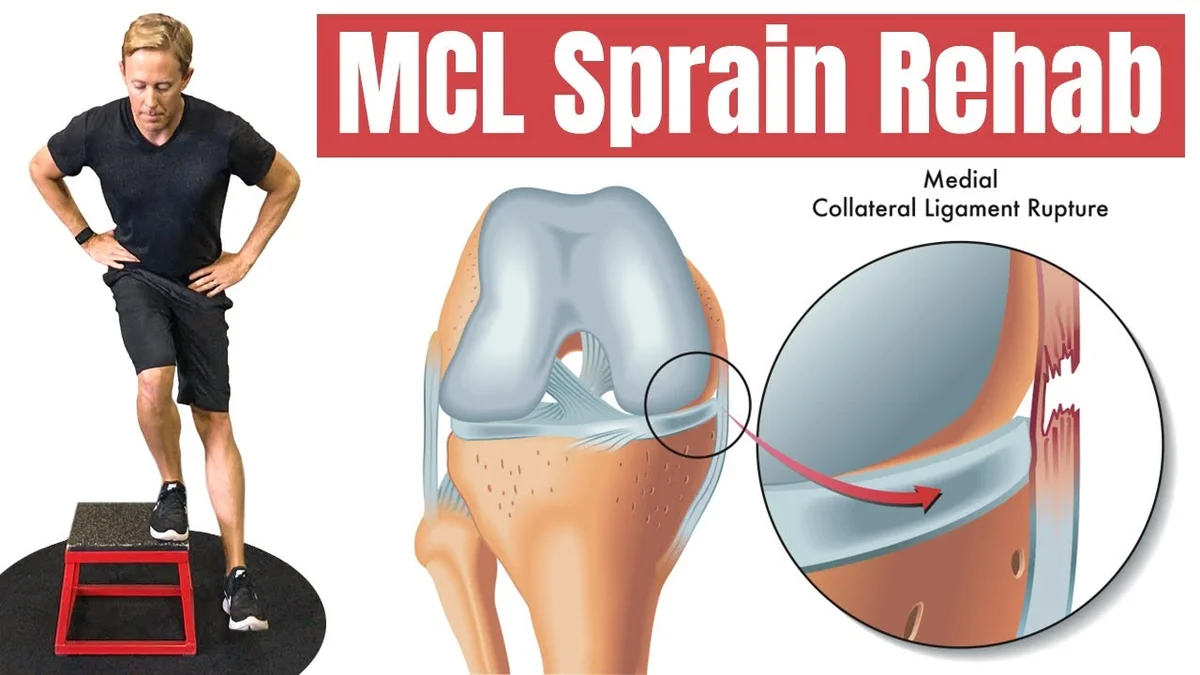
Dreaded by amateur and professional athletes, a knee ligament injury that stretches or, in some cases, even snaps the tough bands of tissue connecting the bones in your body, is common among gymnasts, skiers, basketball players, football and soccer players, runners etc. 
Painful symptoms – from a snap during the actual injury to swelling, inability to painlessly put on weight on the affected area, or a loose feeling in the joint, sometimes make it challenging to properly diagnose the exact type of knee ligament injury and whether you actually need a surgery to treat it.
While you should consult your doctor as soon as possible to discuss your diagnosis and an appropriate treatment plan, read below for 5 facts about knee ligament injury to help you predict whether you may require a surgery:
- Serious Injuries May Require Surgery: All the ice, rest and compression in the world may not be enough to help some knee ligament injuries, specifically those where a snap or major tear is involved. In these cases, surgical repair of the damaged ligaments is often necessary or recommended.
- Not All Knee Ligaments Can Be Repaired Surgically: Both the PCL and ACL ligaments are unique in the knee because unlike the others, they cannot be repaired via surgical means and must instead be constructed. In order for these repairs to be possible, replacement tissues must be used, and they are either taken from other parts of the leg or in some cases, even a cadaver.
- Surgery is Not Always Necessary: For some people, a knee ligament injury may not cause a substantial impact on their daily lives and they may elect not to have repair surgery or reconstructive surgery for their injuries. However, in these cases, permanent weakness to the leg, leg muscle pain and periods of instability may occur as a result.
- Alternative Treatments Are Useful After Surgery Too: It’s not just mild to moderate a knee ligament injury that can benefit from cryosaunas (also referred to as cryo chambers) and full cryotherapy procedures. Those recovering from surgeries affecting the ligaments of the knee may also be able to benefit from the cold therapy as well. In fact, rehabilitation is one of the fastest growing uses for this decade’s old technology and in addition to providing boosts of energy and feelings of well being, many find that regular sessions can help speed the healing and recovery process as well.
- Statistically, Surgery May Not Be Necessary: Although it’s generally accepted that to return fully to athletic activity torn ligaments (specifically the ACL) must be reconstructed, new data are suggesting that may not be the case. Nearly 200,000 people in the United States annually have reconstruction surgery on their ACLs, but in a comparative study, those who waited and instead focused on rehabilitation efforts had nearly the same levels of success after a period of time. Though rehabilitation (that may include new technologies like the use of cryosaunas along with strengthening and exercise) will not provide for an immediate return to activity, it can prevent the need for surgery in some individuals.
Conclusion:
Whether or not surgery is needed for a knee ligament injury depends on the severity and type of injury. In general, a complete tear of the anterior cruciate ligament (ACL) often requires surgery, while partial tears or strains may be treated with non-surgical methods.
It’s best to consult with a medical professional, such as an orthopedic surgeon or sports medicine physician, to determine the best course of treatment for your specific injury. They can evaluate the extent of the injury through physical examination and imaging tests and recommend an appropriate treatment plan.
Try cryotherapy in Toronto
New clients start with a $40 first visit including a free one-on-one consultation. 4646 Dufferin St, North York · Since 2013 · 15,000+ sessions · 5.0★ from 135+ Google reviews.